Donald J Trump - the World's Greatest Environmentalist...Ever!
This may one day be proven to be true.
Trump's poorly planned invasion of Iran has shown us just how fragile our trade routes can be, and how far New Zealand is from much of the world we buy and sell our stuff from.
All of a sudden we're talking about how far tankers are from our shores, and how much diesel we have in stock. I can remember going through this in the early 1970's with fuel stations closing because of a lack of petrol, and carless days being a thing in 1979.
And what did we learn? Not much it appears - as maybe it's unsolvable.
I was reminded of a great quote from the Philosopher Alan Watts:
"Problems that remain unsolvable are questions being asked the wrong way."
What are the questions we need to be asking ourselves as a nation right now?
Here's what's percolating in my head:
What is going to motivate us to become more self-sufficient in our renewable energy production. All energy production is dirty, we know that, but some are way worse than others. The quickest way to create cleaner energy is to use less of it. We are still a long way from acting on this quick fix. Why, I wonder?
Recently, Kate and I had solar panels with three batteries installed in our home, after three years of indecision and low motivation which led to not much happening. Yes, we knew it was good for the planet etc., etc., but it was listening to Mike Casey of Rewiring Aotearoa talk about the money it saves. He put it in language that flipped a switch in my head. Boom. We got underway with a plan that took 12 months to complete due to the number of pine trees needing to be harvested to allow more light to reach the roof.
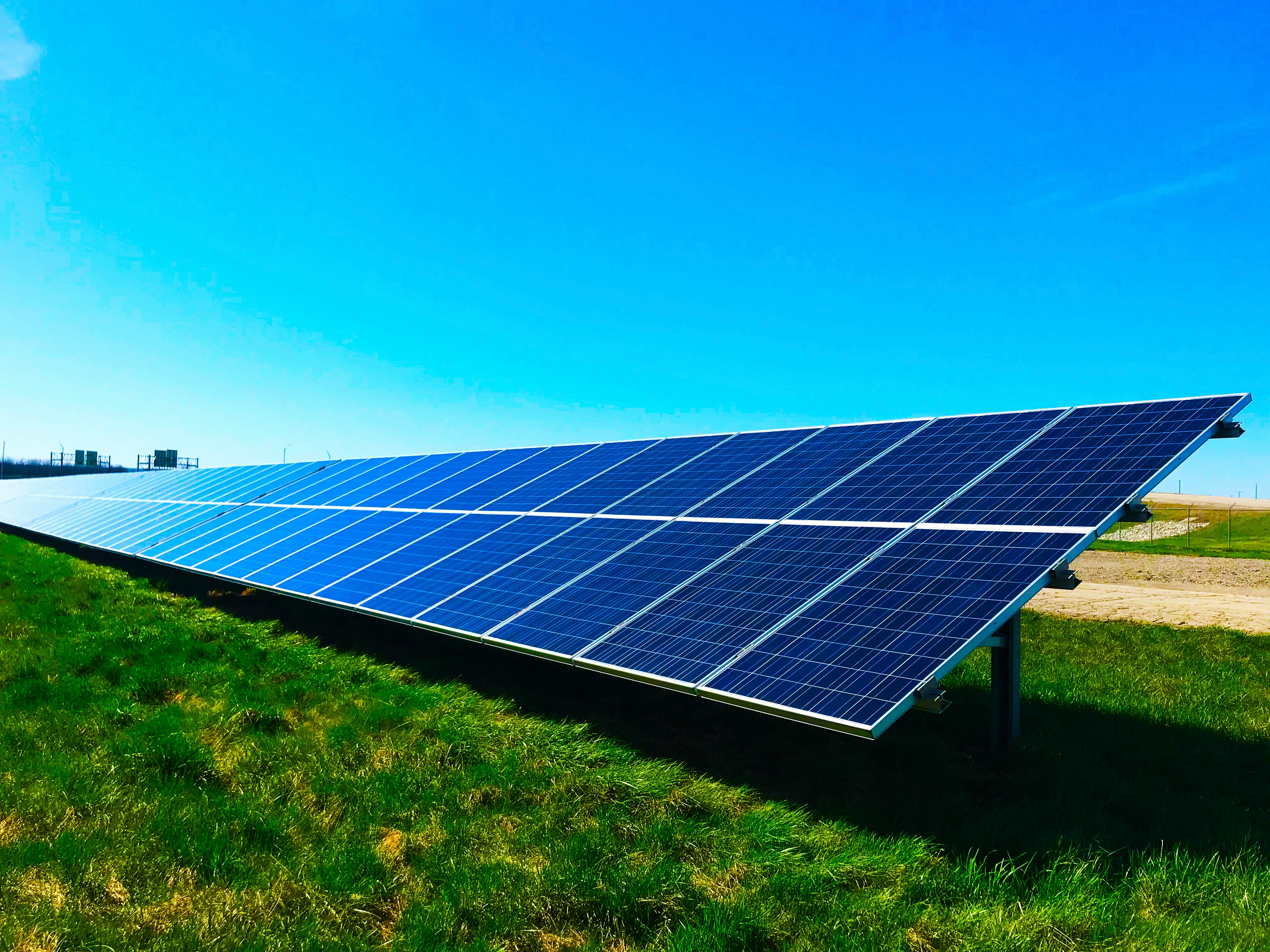
It wasn't doing the right thing for the environment that activated us, it was money. Even though we regard ourselves as envioronmentally motivated. Casey is an excellent and clear commnicator and is gaining traction in his quest to electrify the country. Big ups to him.
Kate drives an electric car to work every day and we are now more strategic as to when we charge the car at home. I believe we could power that car for under $1,200 for the year. Epic!
The biggest surprise to me during this transition to solar was just how hard it was going to be to secure the 1% loan from the bank (mainly due to me being self-employed), how slow the lines company were to signoff on us linking to the grid (50 days) and then the meter reader said they would come and change over the reading on July 9th (90 days) - un-fucking believable! Nothing except the electrician was streamlined for this installation to happen. If we weren't super motivated then we could have lost traction altogether.
It seems producing our own energy is not in our DNA in Aotearoa NZ, even though we have a history of corporations generating hydro and geothermal electricity. We are currently lagging way behind many countries in solar generation and that has got to change. It's a huge opportunity sitting right in front of us.
We have an election this year and I will be paying particular attention to those parties who have a plan to kickstart our national solarfication. The economy is buggered right now, and government incentivising the installation of solar would be one way of generating some dynamic growth, along with electrifying our company and personal cars.
Then of course, the hydrogen option for heavy vehicles which also needs a nudge to gain more traction. All of this is locally created energy - which doesn't have to come through the Strait of Hormuz or Singapore. Hydrogen is now on a parity with Diesel, but of course it doesn't produce carbon as a bi-product.
Recently, I was having a beer with some young dairy farmers and they were grumpy about the cost of fertiliser, as, like oil, it travels from across the other side of the world. I asked, 'could you produce fertiliser in NZ to nourish your farms?'. The answer was a very quick no!
I didn't pursue the topic as it didn't seem like they were interested to explore this particular question.
However, the reality is they could nourish their farms from fertiliser produced right here. Our wee farm has not used any imported fertiliser in seven years for example, but yes, we are small, so not the best example.
We have the great pleasure of having a neighbour just up the road who milks 750 organic dairy cows, and is moving methodically, stage by stage, to regenerative practices. That farm uses about 95% locally-produced fertiliser. It's large scale and it is indeed possible. It also works financially.
On our own farm we've used fish and seaweed products from Agrisea, Vermicast from MyNoke, Johnson Su compost made on the farm, and are now using compost from a local large-scale producer.
The last option is new to me and has really got my interest. This compost company can chip up 200 tonnes of trees an hour. I think about that, and wonder if we grew multi-species forests for the production of compost that would be wicked. We could use compost on so many farms instead of importing fertiliser. Right now for example, we could be chipping much of the pine slash and turning it into compost.
Back to Alan Watts:
"Problems that remain unsolveable are questions being asked the wrong way."
What questions are we going to ask our poiticans later in the year, and what do we need to hear?
I don't think this is a left or right political conversation any more. Both sides need to get stuck in, as it's either financial or environmental motivation that will kick start a more circular economy.
Meanwhile Donald, you may have fucked the world economy and become a historical figure for all the wrong reasons, but I believe you may have accomplished more for renewable energy than Greta Thunberg or David Attenborough ever have.
Editor's Notes (i.e. Laura)...
In one of my previous lives, a couple of years ago, I owned a solar company here in Hawke's Bay. By and large, I have to agree with Harv. New Zealand is far behind the 8-ball when it comes to promoting small-scale renewable energy, and inparticular, solar.
But, there's also a couple of things to call in from the blog.
Firstly, government incentives are great. However, with growth in the market comes a rise in the number of cowboys who simply aren't up to the task of installing a solar system. If the government is going to introduce incentives (which they certainly should), they need to introduce stringent parameters for the installers. When I left the industry two years ago, there was talk of introducing solar training into the apprenticeship for all new sparkies across NZ (because there's currently none at all). A quick search on the EWRB (Electrical Workers Registration Board) website suggests it either hasn't happened yet or they've just hidden it away somewhere. Neither option fills me with great confidence.
Secondly, to counter some of the timeframes Harv mentioned for his own install. It's worth pointing out that Harv lives rurally and had a fairly large installation completed. His system may have been classed as small commercial, for which the approval period is much longer. He also doesn't have smart meters, hence the need for the meter reader to attend the property. This work is all contracted out by the electricity retailers and so the chain of command extends again. For someone living in town, or close to, a solar installation would be a much quicker and likely smoother process.
Lastly, while money is by far the biggest motivator for people buying solar, it's worth noting that recycling for used panels and batteries is closer than we think. This was something we were asked by a lot of clients so it rates a mention here. Phoenix Recycling already offer panel recycling and batteries and inverters are being investigated. Considering the average life of a solar panel is somewhere between 25-30 years and inverters and batteries 15-20, this is all coming at the perfect time for the industry to jump on board.
Photo credits:

